The U.S. government has announced updated electric vehicle (EV) tax credit changes for 2026, aiming to accelerate EV adoption and support domestic manufacturing. These new adjustments could significantly affect how much buyers save when purchasing an electric vehicle.
With EV demand growing rapidly across the United States, the revised tax credit program is designed to make electric cars more affordable while encouraging automakers to build vehicles and batteries locally.
Here’s everything EV buyers need to know about the new 2026 EV tax credit changes.
What Is the Federal EV Tax Credit?
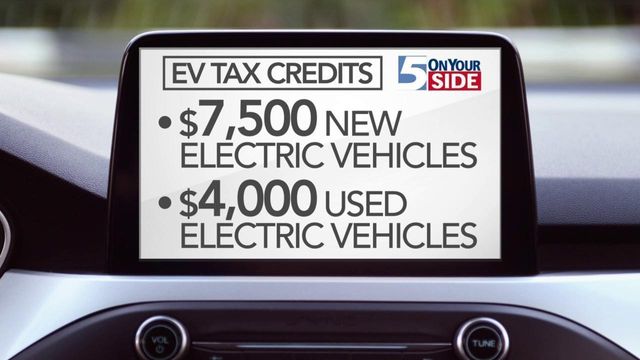
The federal EV tax credit is a financial incentive offered by the U.S. government to encourage consumers to buy electric vehicles. Under previous programs, eligible buyers could receive up to $7,500 in tax credits when purchasing a qualifying EV.
The credit helps reduce the upfront cost of electric vehicles, making them more competitive with traditional gasoline-powered cars.
However, the eligibility rules and requirements have been evolving as the government pushes for stronger domestic EV production.
Key Changes to EV Tax Credits in 2026
The updated rules for 2026 include several important changes that affect both buyers and automakers.
1. Stricter Battery Sourcing Requirements
One of the biggest changes focuses on where EV batteries and materials are sourced.
To qualify for the full tax credit, vehicles must now meet stricter requirements related to:
- Battery manufacturing location
- Critical mineral sourcing
- Assembly in North America
These changes aim to strengthen the U.S. EV supply chain and reduce reliance on overseas materials.
2. Income Limits for Buyers
The 2026 program continues to include income limits for buyers.
To qualify for the credit:
- Individuals must earn below $150,000 per year
- Married couples filing jointly must earn below $300,000
These limits ensure the tax incentives primarily benefit middle-income households.
3. Vehicle Price Caps
Another important rule involves vehicle price limits.
Eligible vehicles must fall under specific MSRP caps:
- Sedans: under $55,000
- SUVs and trucks: under $80,000
Luxury EVs priced above these limits will not qualify for federal incentives.
4. Point-of-Sale Discounts
One of the most consumer-friendly changes is the point-of-sale rebate option.
Instead of waiting until tax season, buyers can now apply the EV tax credit directly at the dealership. This allows buyers to reduce the vehicle’s purchase price immediately.
For example:
- A qualifying EV priced at $45,000 could drop to $37,500 after the $7,500 credit.
Which EVs May Qualify in 2026?
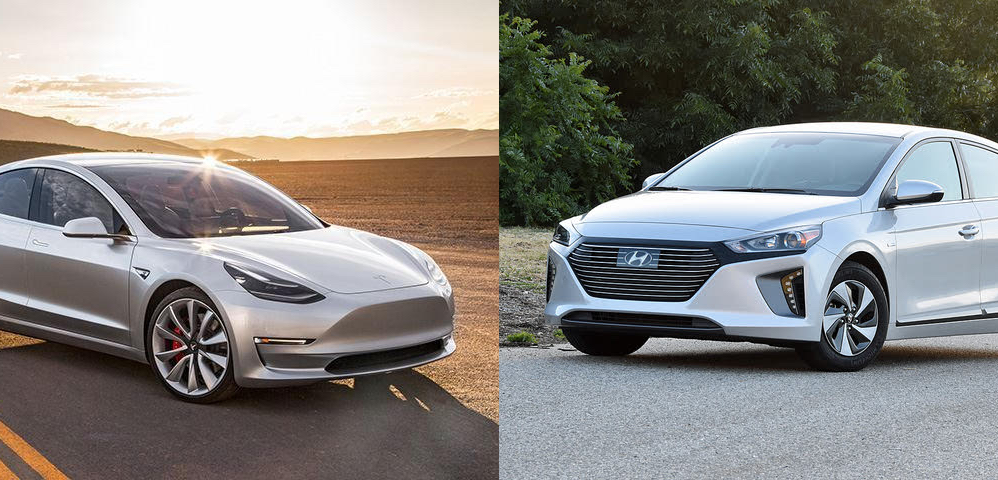
Several popular electric vehicles are expected to qualify for the updated tax credit rules, depending on their final configuration and production location.
Examples include:
- Tesla Model 3
- Tesla Model Y
- Ford Mustang Mach-E
- Chevrolet Equinox EV
- Hyundai Ioniq 5 (select models)
- Kia EV6
Eligibility can vary based on trim level, battery sourcing, and final assembly location.
Buyers should always confirm eligibility through the official IRS EV credit list before making a purchase.
Impact on the EV Market
The new tax credit changes are expected to influence the EV market in several ways.
First, automakers may prioritize building EVs in North America to ensure their vehicles qualify for incentives.
Second, the tax credits will continue to lower the cost barrier for many buyers considering electric vehicles.
Finally, the updated rules may encourage faster development of U.S.-based battery factories and supply chains.
These changes are part of a broader effort to expand electric vehicle adoption while strengthening domestic EV manufacturing.
What Buyers Should Do Before Purchasing an EV
If you’re planning to buy an electric vehicle in 2026, consider these steps:
- Check whether the vehicle qualifies for the federal tax credit.
- Confirm your income eligibility under the program rules.
- Verify the vehicle price falls within the required limits.
- Ask the dealership about applying the credit at the point of sale.
Taking these steps can help ensure you receive the maximum possible savings.
Final Thoughts
The 2026 EV tax credit changes represent another major step in the United States’ transition toward cleaner transportation. By offering financial incentives and encouraging domestic EV production, the government hopes to make electric vehicles more accessible for American drivers.
For many buyers, these tax credits could reduce the cost of EV ownership significantly. As more electric models enter the market and charging infrastructure continues to expand, 2026 may be one of the best times yet to switch to an electric vehicle.