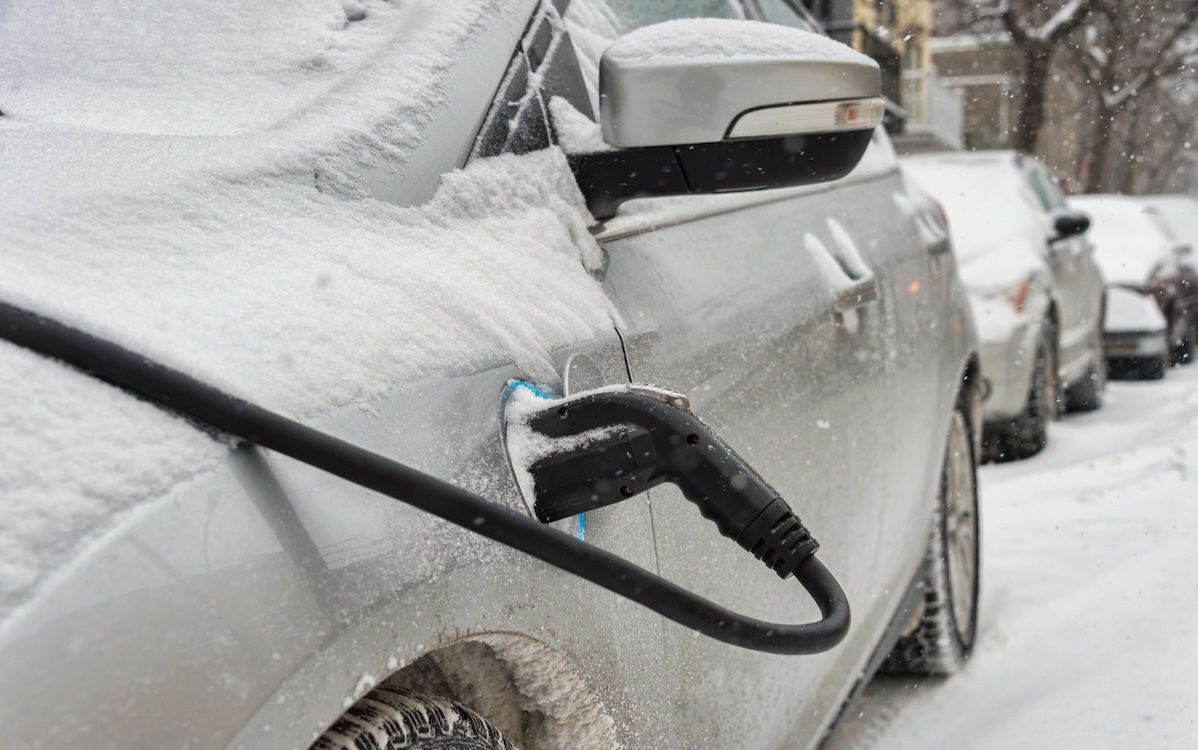
Canada’s harsh winters can be challenging for any vehicle, but many drivers wonder how electric vehicles (EVs) perform in cold temperatures, snow, and icy road conditions. With temperatures often dropping well below freezing, winter conditions can impact everything from driving range to charging performance.
Fortunately, modern EVs are designed to handle extreme climates, and many models perform surprisingly well in snowy conditions. In this winter performance test, we explore how electric vehicles handle Canadian snow and what drivers should expect during the cold season.
How Cold Weather Affects Electric Vehicles
Cold weather can influence several aspects of EV performance. The most noticeable change is often reduced driving range.
When temperatures drop, EV batteries become less efficient. This happens because chemical reactions inside lithium-ion batteries slow down in colder conditions.
Drivers may experience:
- Reduced driving range
- Longer charging times
- Increased energy use for cabin heating
However, most modern EVs now include advanced thermal management systems that help keep the battery operating within an optimal temperature range.
Traction and Handling in Snow
One of the biggest advantages electric vehicles have in winter driving is instant torque and low center of gravity.
Because EV batteries are located in the floor of the vehicle, they provide better weight distribution. This helps improve traction and stability on slippery roads.
Key benefits include:
- Better balance on icy roads
- Smooth and controlled acceleration
- Improved handling in snowy conditions
Many EVs also offer all-wheel drive (AWD) systems, which can further enhance winter performance.
Popular AWD EVs include:
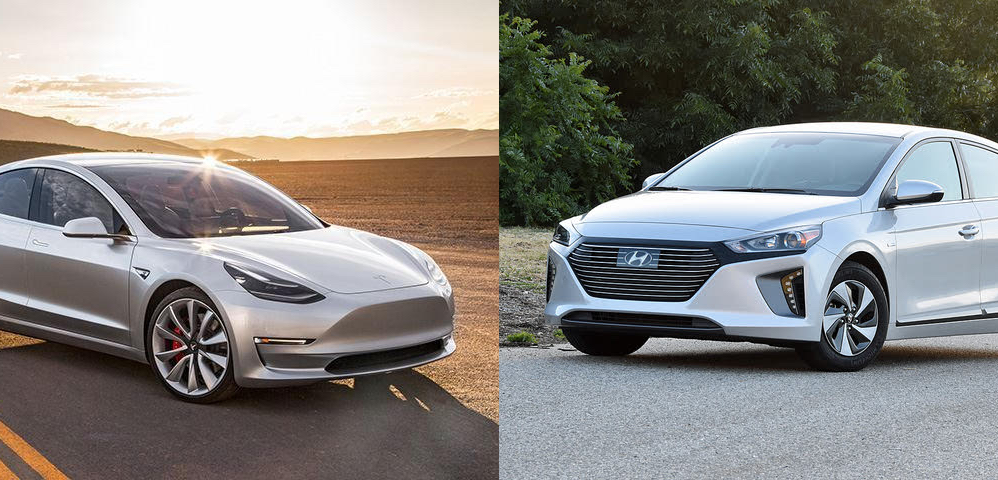
- Tesla Model Y
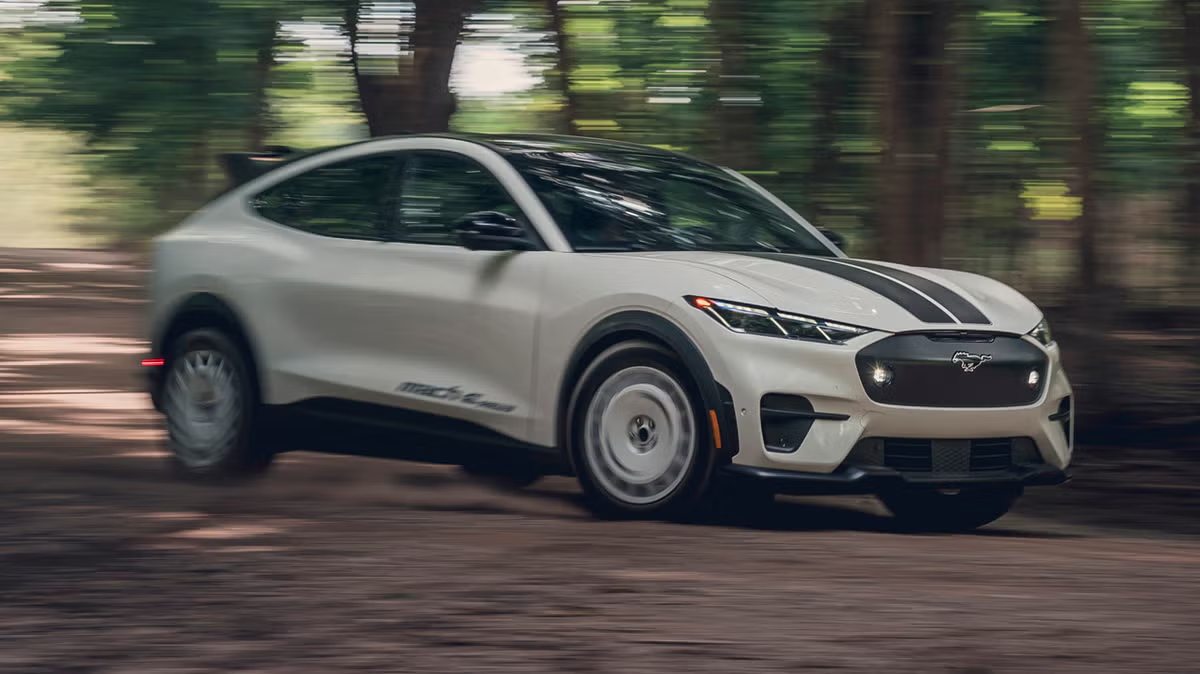
- Ford Mustang Mach-E AWD
- Hyundai Ioniq 5 AWD
- Volkswagen ID.4 AWD
Regenerative Braking in Winter
Electric vehicles use regenerative braking, which slows the car by converting energy back into the battery. While this system is very efficient, it can feel different on icy or snowy roads.
Many EVs automatically adjust regenerative braking in cold weather to prevent sudden wheel slip.
Drivers can also switch to low regenerative braking modes for smoother winter driving.
Battery Range in Cold Temperatures
Range reduction is one of the most discussed challenges for EVs in winter.
On average, EVs may lose 10% to 30% of their driving range in extremely cold conditions. This is mainly due to:
- Battery chemistry changes in cold weather
- Increased use of cabin heating
- Higher energy demand for defrosting systems
For example:
- A Tesla Model Y rated for 330 miles of range may drop to around 260–280 miles in winter conditions.
Despite this reduction, most EVs still provide enough range for typical daily commuting.
Charging in Cold Weather
Charging electric vehicles in cold climates can also take longer than usual. When batteries are cold, charging speeds may temporarily slow until the battery warms up.
Many modern EVs now include battery preconditioning systems, which warm the battery before arriving at a fast charger. This helps maintain optimal charging speeds even in winter.
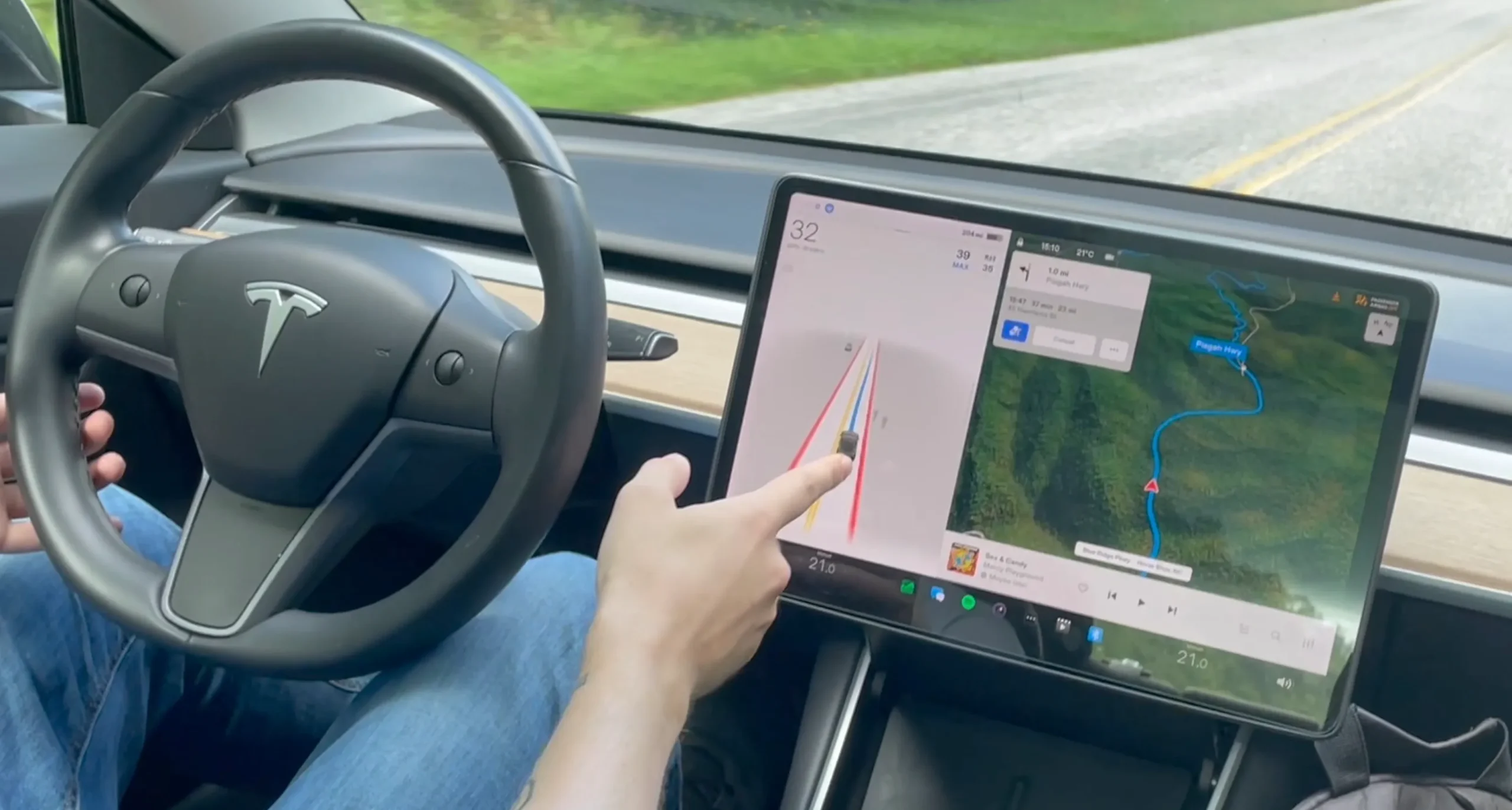
Tesla vehicles, for example, automatically precondition the battery when navigating to a Supercharger station.
Tips for Driving an EV in Canadian Winter
EV drivers in Canada can follow several simple tips to improve winter performance:
- Preheat the vehicle while plugged in to save battery energy
- Use seat and steering wheel heaters instead of full cabin heating
- Install winter tires for better traction
- Keep the battery above 20% charge during cold weather
- Park indoors when possible
These practices can help reduce range loss and improve overall driving efficiency during winter months.
Some electric vehicles are particularly well suited for snowy conditions.
Examples include:
- Tesla Model Y AWD – strong traction and advanced software
- Hyundai Ioniq 5 AWD – efficient heat pump system
- Ford Mustang Mach-E AWD – good stability and winter driving modes
- Volkswagen ID.4 AWD – smooth and balanced ride
These models combine all-wheel drive systems, efficient heating systems, and advanced battery management technology.
Final Thoughts
Electric vehicles are becoming increasingly popular across Canada, and modern EV technology has improved significantly when it comes to winter performance.
While cold temperatures can reduce driving range and slow charging speeds, EVs still handle snow and icy roads very well thanks to their balanced weight distribution and instant torque.
With the right preparation and winter driving habits, EV owners can confidently navigate Canadian winters while enjoying the benefits of clean and efficient electric transportation.