California has long been a leader in promoting clean energy and electric vehicles. As part of its ongoing effort to reduce greenhouse gas emissions and combat climate change, the state has recently introduced stricter electric vehicle (EV) regulations that could impact both automakers and drivers.
These updated policies are designed to accelerate EV adoption, reduce pollution, and move California closer to its long-term goal of a fully zero-emission transportation system.
Here’s a closer look at California’s new EV regulations and what they mean for drivers.
California’s Push Toward a Zero-Emission Future
California has been at the forefront of electric vehicle policies for years. The state government has already set ambitious goals to reduce emissions from transportation, which is one of the largest sources of pollution.
One of the most important targets is California’s plan to ban the sale of new gasoline-powered cars by 2035. Under this policy, all new vehicles sold in the state must be zero-emission vehicles, such as electric cars or hydrogen-powered vehicles.
The latest regulations are part of the broader strategy to ensure that automakers and consumers transition to cleaner transportation options more quickly.
Stricter Requirements for Automakers
The new regulations require automakers to significantly increase the number of electric vehicles they produce and sell in California.
Under the updated rules:
- 35% of new vehicles sold by 2026 must be zero-emission vehicles
- 68% of new vehicle sales must be zero-emission by 2030
- 100% of new vehicle sales must be zero-emission by 2035
Automakers that fail to meet these targets could face financial penalties or regulatory restrictions.
These rules are expected to push manufacturers to invest more heavily in electric vehicle development.
Impact on Electric Vehicle Availability
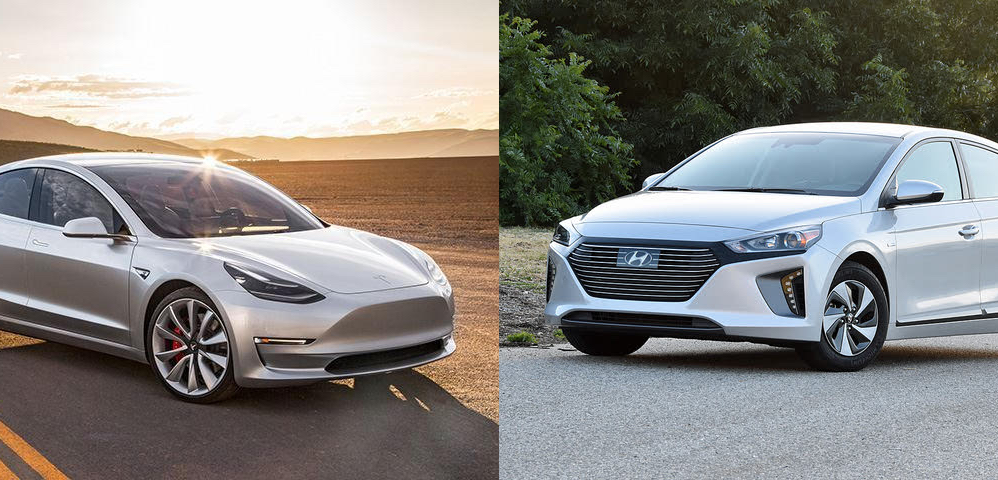
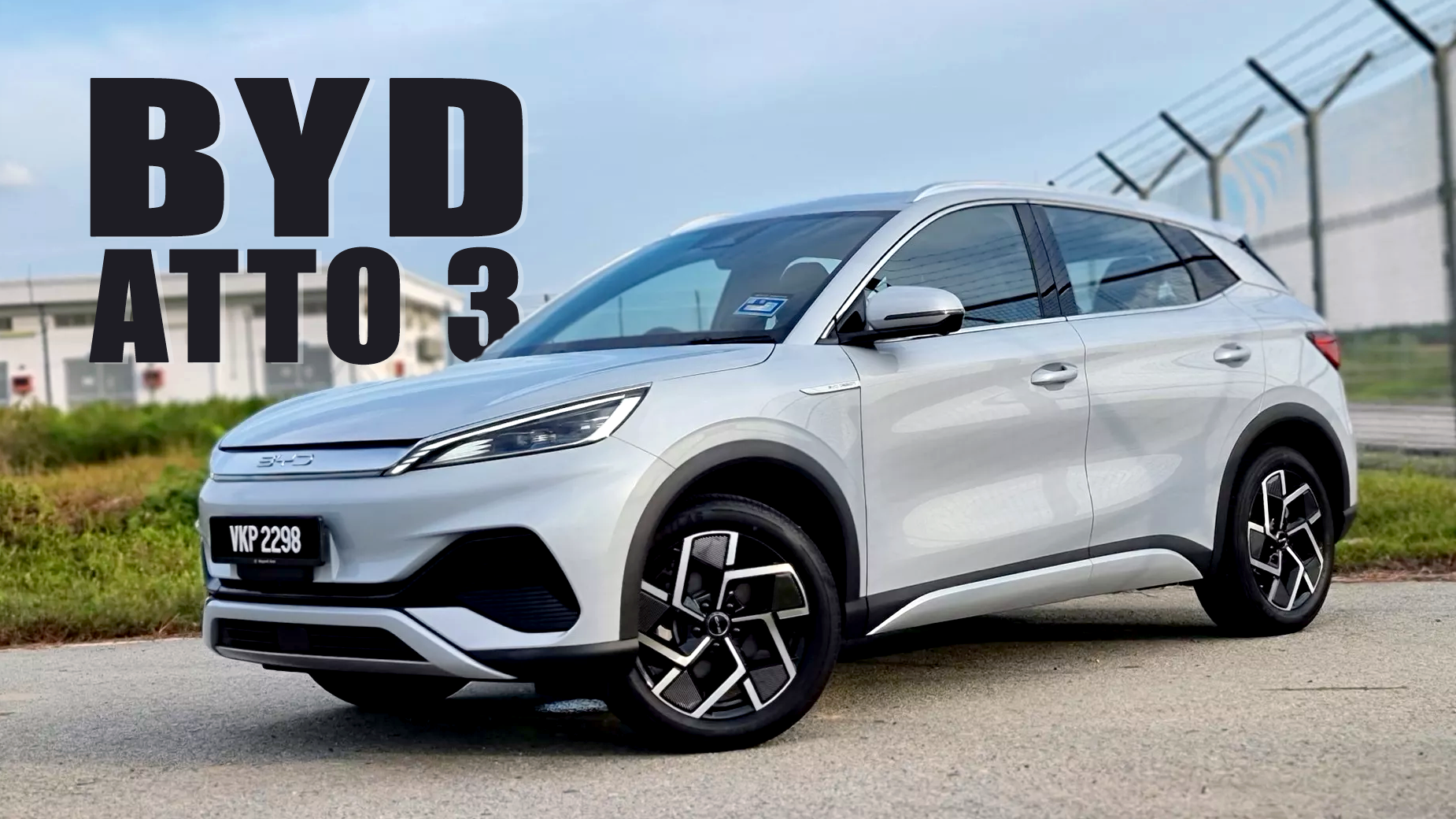
For drivers, the tighter regulations could lead to more electric vehicle choices in the coming years.
Automakers are likely to introduce new EV models in order to meet California’s sales requirements. This could result in:
- More electric sedans, SUVs, and trucks entering the market
- Lower EV prices due to increased competition
- Improved battery technology and range
As more vehicles become available, consumers may find it easier to switch from gasoline-powered cars to electric options.
Expansion of Charging Infrastructure
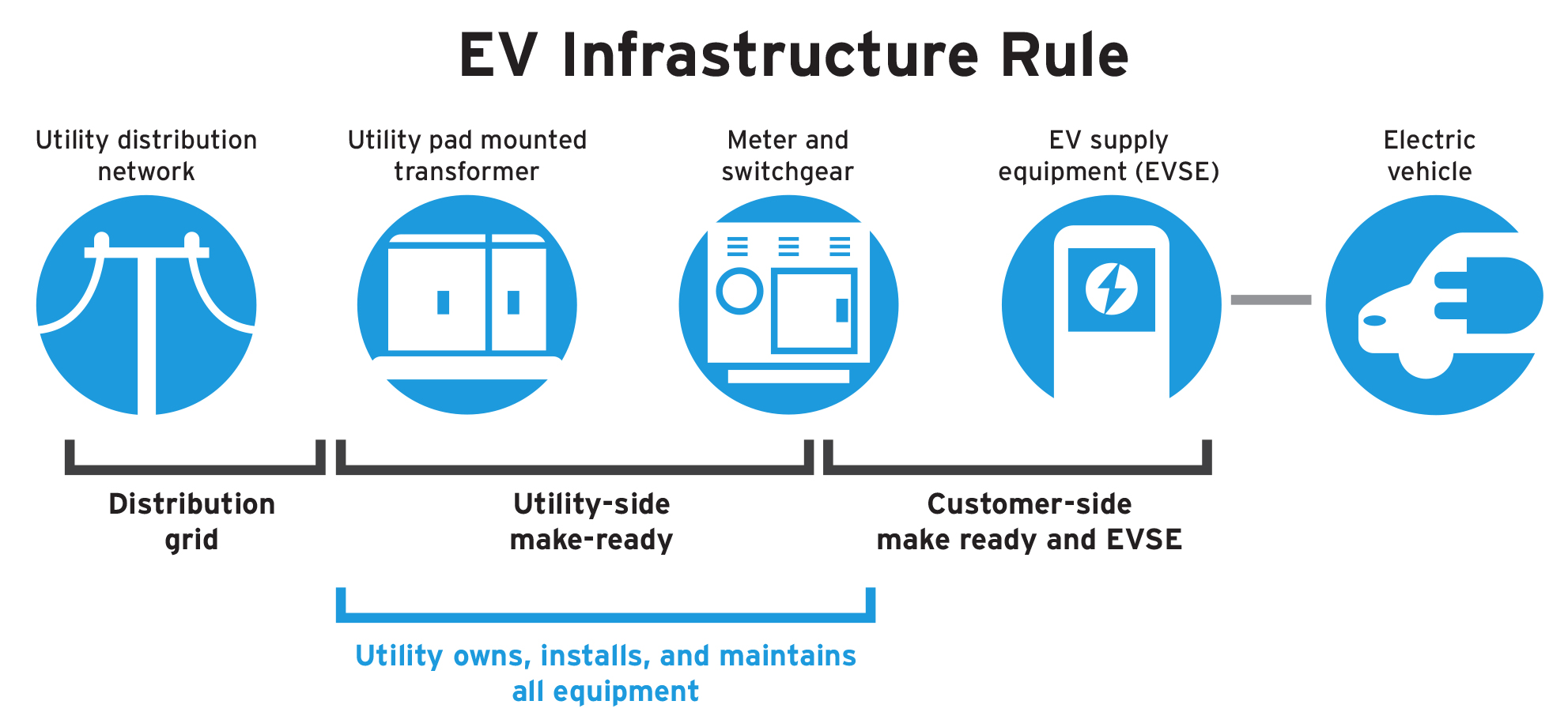
One of the biggest concerns for EV drivers is access to reliable charging infrastructure. California’s updated regulations also encourage expansion of public charging networks across the state.
Government programs and private companies are investing in:
- Fast-charging stations along highways
- Charging networks in urban areas
- Residential and workplace charging solutions
Improved infrastructure will help make EV ownership more convenient for drivers throughout California.
Financial Incentives for EV Buyers
To encourage EV adoption, California continues to offer various financial incentives for electric vehicle buyers.
These incentives may include:
- State EV rebates
- Federal tax credits
- Discounts on home charging equipment
- Reduced registration fees for certain EV models
These programs can significantly lower the overall cost of purchasing an electric vehicle.
Challenges for Drivers and Automakers
While the regulations aim to accelerate EV adoption, they also create some challenges.
For automakers, meeting strict production targets requires major investments in:
- Battery manufacturing
- EV research and development
- Supply chain improvements
Drivers may also face challenges such as:
- Higher initial vehicle prices for some EV models
- Charging availability in rural areas
- Adjusting to new driving and charging habits
However, these challenges are expected to decrease as EV technology continues to improve.
The Future of Transportation in California
California’s new EV regulations are part of a larger effort to transform the transportation sector. As more electric vehicles enter the market and charging infrastructure expands, the state is expected to become one of the largest EV markets in the world.
Other U.S. states are also beginning to adopt similar policies, which could accelerate the nationwide transition toward electric mobility.
Final Thoughts
California’s tighter EV regulations represent a major step toward a cleaner and more sustainable transportation system. While the transition may bring some challenges, it also creates opportunities for innovation, competition, and improved electric vehicle technology.
For drivers, the coming years are likely to bring more EV options, better charging infrastructure, and improved affordability, making electric vehicles an increasingly practical choice.
As the EV revolution continues, California is once again setting the pace for the future of transportation.